
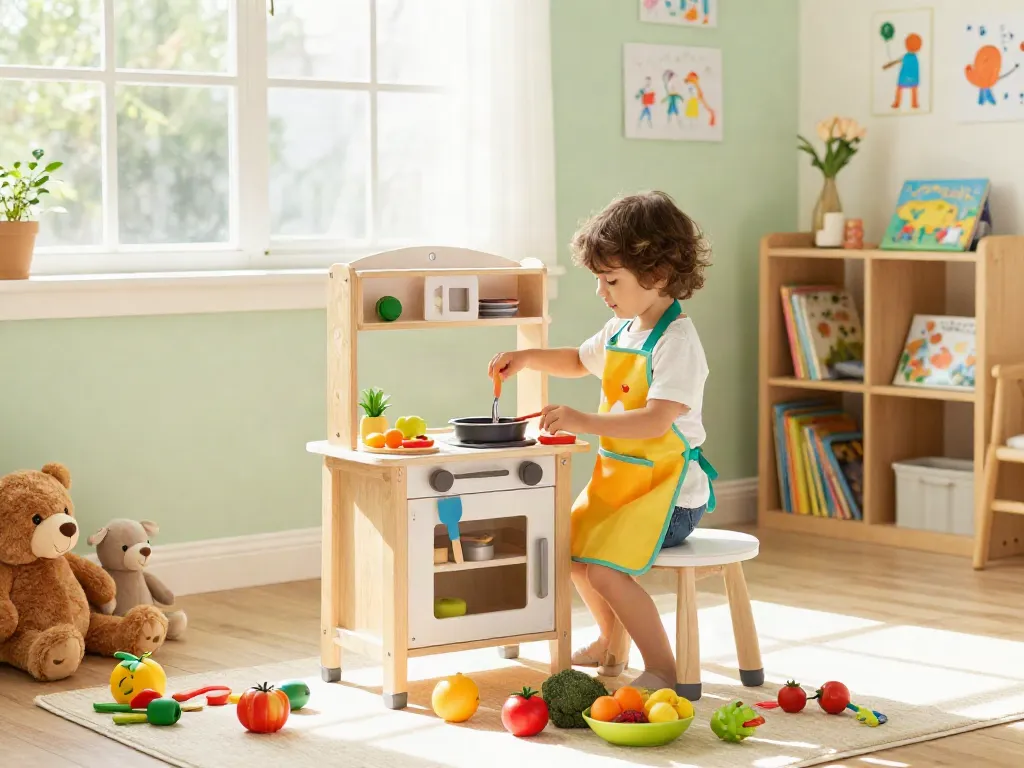
Understanding the Importance of Toy Kitchens
In the realm of children's play, few items are as multifaceted as the toy kitchen. More than a mere plaything, a toy kitchen serves as a vital tool for imaginative exploration, role-playing, and learning. These miniature kitchens allow children to simulate real-life cooking experiences, offering them an avenue to develop essential skills while engaging in creative play. Understanding the significance of toy kitchens in child development is crucial for parents seeking to enrich their children's playtime.
What is a Toy Kitchen?
A toy kitchen is a scaled-down replica of a real kitchen designed for children to engage in pretend cooking and food-related activities. These playsets often include various components like stoves, sinks, cabinets, and cooking accessories, enabling kids to mimic adult behaviours in a safe and controlled environment. Toy kitchens come in various styles, from simple, portable models to elaborate, multi-sectioned kitchens with interactive features such as lights and sounds. At their core, they promote imaginative play, allowing children to experiment with scenarios that reflect their daily lives.
Benefits of Using Toy Kitchens for Child Development
- Creativity and Imagination: Toy kitchens stimulate imaginative play, allowing children to create narratives around food preparation and cooking adventures. This creativity lays the groundwork for storytelling skills and problem-solving abilities.
- Cognitive Skills: Through play, children learn concepts such as basic mathematics and science. Measuring ingredients can introduce them to counting and fractions, while understanding cooking processes fosters logical thinking and sequencing.
- Social Skills: When children play together, they learn crucial social skills such as sharing, taking turns, and empathy. Collaborative cooking scenarios encourage teamwork and communication.
- Motor Skills: Manipulating play kitchen accessories improves fine motor skills. Activities like stirring, pouring, and arranging food items develop hand-eye coordination and dexterity.
- Emotional Development: Playing with toy kitchens allows children to express themselves and explore different roles. This type of imaginative play can help them understand emotions and build their self-esteem.
Common Myths About Toy Kitchen Sets
Despite their popularity, several misconceptions about toy kitchens can lead parents to overlook their benefits. One common myth is that toy kitchens are only suitable for girls. In reality, children of all genders can gain valuable skills and enjoyment from playing with these sets. Another misconception is that play kitchens merely serve as distractions. In truth, they provide a rich learning environment that promotes developmental milestones.
Choosing the Right Toy Kitchen for Your Child
When selecting a toy kitchen, it is vital to consider various factors that will ensure the best fit for your child's needs and preferences. The right choice can enhance their play experience and facilitate skill development.
Factors to Consider When Selecting a Toy Kitchen
- Age Appropriateness: Ensure the toy kitchen is suitable for your child's age. Younger children might benefit from simpler designs that reduce the risk of choking hazards, while older kids may enjoy more complex setups with interactive features.
- Material Quality: Choose kitchens made from durable materials that can withstand vigorous play. Wooden kitchens, for example, not only offer a traditional aesthetic but are also sturdy and less prone to damage than plastic alternatives.
- Size and Space: Consider the space available for the kitchen. Choose a model that fits comfortably in your home without overwhelming the play area.
- Features: Look for kitchens equipped with realistic accessories and features, such as working lights, sounds, or movable parts, which can enhance the play experience.
- Safety Standards: Always check that the toy kitchen meets safety guidelines to protect your child during playtime.
Top Brands Offering Quality Toy Kitchen Sets
Several reputable brands produce high-quality toy kitchens. Some of the best include:
- Melissa & Doug: Known for their commitment to safety and durability, their kitchens often feature wooden construction and are designed to spark imaginative play.
- Little Tikes: Popular for their sturdy plastic kitchens, Little Tikes offers vibrant designs that appeal to younger children.
- Tiny Land: Specialty wooden kitchens that focus on creativity and craftsmanship, providing a realistic play experience.
- IKEA: Surprisingly accessible, their range includes modular kitchens that can be expanded with additional accessories, fostering group play.
Price Points: Affordable Options vs Premium Choices
When it comes to price, toy kitchens can range from affordable to premium options. Budget-friendly models typically cost between £30-£50, while higher-end kitchens can exceed £150. It's essential to balance cost with quality and durability. For parents on a budget, consider second-hand options or sales on popular brands, which can provide excellent deals without compromising on quality.
Safety Considerations for Toy Kitchens
While toy kitchens can be a source of joy and learning, safety must always be a priority. Understanding the potential hazards associated with these playsets can help parents create a safer play environment.
Identifying Safe Materials and Designs
When selecting a toy kitchen, ensure it is made from non-toxic materials and free from small parts that could pose choking hazards. Look for kitchens that meet EU safety standards, which include guidelines for material safety, age appropriateness, and structural integrity.
Common Hazards in Toy Kitchens and How to Avoid Them
Common hazards include sharp edges, unstable structures, and small detachable parts. Parents should regularly inspect the kitchen for wear and tear, ensuring that any damaged components are repaired or replaced promptly. Additionally, educating children on safe play behaviours will reinforce the importance of caution during playtime.
Parental Guidance: Supervision and Playtime Rules
Supervision remains a critical aspect of ensuring safe play. Establishing clear playtime rules can also help mitigate risks. Encourage children to use their toy kitchens in safe, appropriate ways, and involve them in cleaning up after playtime to instil responsibility.
Enhancing Playtime with Accessories and Add-ons
To maximise the fun and educational potential of a toy kitchen, consider incorporating accessories and add-ons that can enrich the overall experience.
Must-Have Accessories for a Complete Toy Kitchen Experience
- Play Food: A variety of play food items—fruits, vegetables, meats, and bakery goods—can encourage imaginative cooking and expand the play narrative.
- Utensils and Cookware: Including pots, pans, plates, and cutlery allows for realistic cooking experiences that mimic real-life scenarios.
- Appliances: Adding small appliances like a blender or microwave can enhance the play experience and introduce new cooking techniques.
Creative Play Scenarios to Inspire Imaginative Cooking
Encouraging children to develop play scenarios can enhance their creativity. Suggest role-playing as chefs, restaurant owners, or even culinary critics. Games like hosting a cooking show or preparing meals for family members can make playtime engaging and educational.
Building Social Skills Through Group Play with Toy Kitchens
Toy kitchens are perfect for group play, which fosters social interactions among peers. Organising cooking sessions with friends promotes teamwork and enhances communication skills, allowing children to learn from one another while having fun.
Future Trends in Toy Kitchens for 2026 and Beyond
As we look toward the future, several trends are emerging in the realm of toy kitchens, driven by advancements in technology and evolving parental expectations.
Innovative Designs and Technology Integration in Toy Kitchens
The integration of technology into toy kitchens is becoming more common. Future kitchens may feature interactive screens or apps that allow children to engage with virtual cooking games, providing recipes and cooking tips. Such innovations will not only enhance play but also provide educational opportunities.
Eco-Friendly and Sustainable Options for Conscious Parents
As environmental awareness rises, there is an increasing demand for eco-friendly toy kitchens made from sustainable materials. Brands are beginning to offer kitchen sets constructed from recycled plastics or responsibly sourced wood, appealing to environmentally conscious consumers.
The Role of Toy Kitchens in Developing Lifelong Skills
Toy kitchens are not merely a passing trend; they play a vital role in developing skills that extend well into adulthood. Skills learned through play—like cooking, planning, and teamwork—will benefit children as they grow, fostering independence and self-sufficiency.
What age is appropriate for a toy kitchen?
Typically, toy kitchens are suitable for children aged 3 and above, though younger toddlers may find joy in simpler, more interactive models.
How can toy kitchens promote social skills?
Through collaborative play, children learn sharing, negotiation, and teamwork, which are essential components of social interaction.
What accessories can enhance a toy kitchen experience?
Play food, utensils, and additional appliances are great accessories that can contribute to a richer, more immersive play experience.
Are wooden toy kitchens better than plastic ones?
While wooden kitchens tend to be more durable and aesthetically pleasing, plastic models often offer versatility and convenience. The choice ultimately depends on personal preference and budget.
What are the latest trends in toy kitchens for 2026?
Emerging trends include technology integration, eco-friendly designs, and a focus on skill development, reflecting shifts in consumer preferences and educational approaches.